
Satellite Tag on Rehabilitated Sea Turtle Provides Deeper Connection & New Hope

April 28, 2022
Share Story

Tampa, FL (April 27, 2022): Traveling 136 miles over six days might not seem like much; but, for The Florida Aquarium’s Animal Response Team this ‘slow’ and steady progress is worth celebrating – and documenting. Recently a juvenile loggerhead sea turtle, referred to at the time of release as Palmer, made its triumphant return to the open ocean following rehabilitation at The Florida Aquarium’s Sea Turtle Rehabilitation Center.
Palmer stranded in Cape Cod, Massachusetts as a result of a cold-stun event. Initially triaged at the New England Aquarium, Palmer was flown – along with three other rescued loggerheads – in a private airplane to Tampa by volunteers from the non-profit organization, Turtles Fly Too.
Cold-stunning occurs when cold-blooded animals, like sea turtles, are exposed to unusually cold water and air temperatures for an extended period of time; causing a hypothermic reaction that may include a lower heart rate, decreased circulation, lethargy, pneumonia, secondary bacterial infections and if left untreated, death.
“Exposure to cold air and water temperatures over a prolonged period of time ultimately debilitated this young loggerhead. As result he developed secondary medical conditions that required treatment,” said Ashley Riese, Manager of The Florida Aquarium’s Sea Turtle Rehabilitation Center.
Arriving at the Sea Turtle Rehabilitation Center in early January, Palmer received a regimen of antibiotics and supportive care by the professionals at The Florida Aquarium until his release back to the open ocean on April 21.
Equipped with a satellite tag, scientists will acquire important data from Palmer including diving, feeding, migratory and other activity patterns along with corresponding environmental conditions like water temperatures, etc. These data points will help to provide key insight for future conservation efforts.
“Thanks to our partners from the Sea Turtle Conservancy and Association of Zoos and Aquariums (AZA) Conservation Grants Fund (CGF), who funded the satellite tag for Palmer, we can share this incredible journey with the turtle loving public,” added Riese.
A map showing Palmer’s migratory movements as tracked by satellite can be found by visiting The Florida Aquarium’s website at https://www.flaquarium.org/conservation/sea-turtle-conservation-program/sea-turtle-tracking/.
“We are hoping that as the public watches Palmer’s travels they will develop a stronger connection to not only him but all sea turtles,” added Riese. “It’s when we begin building this affinity with nature that we make better choices to protect and restore the ocean.”
Palmer’s second chance was made possible by The Florida Aquarium, New England Aquarium, Turtles Fly Too, Florida Fish and Wildlife Conservation Commission (FWC) and The National Oceanic and Atmospheric Administration (NOAA).
All sea turtle rehabilitation work conducted by The Florida Aquarium is done with the approval of (FWC) under conditions not harmful to marine turtles and authorized under conservation activities pursuant to FWC MTP-22-179.
The Latest from The Florida Aquarium
-
March 24, 2026
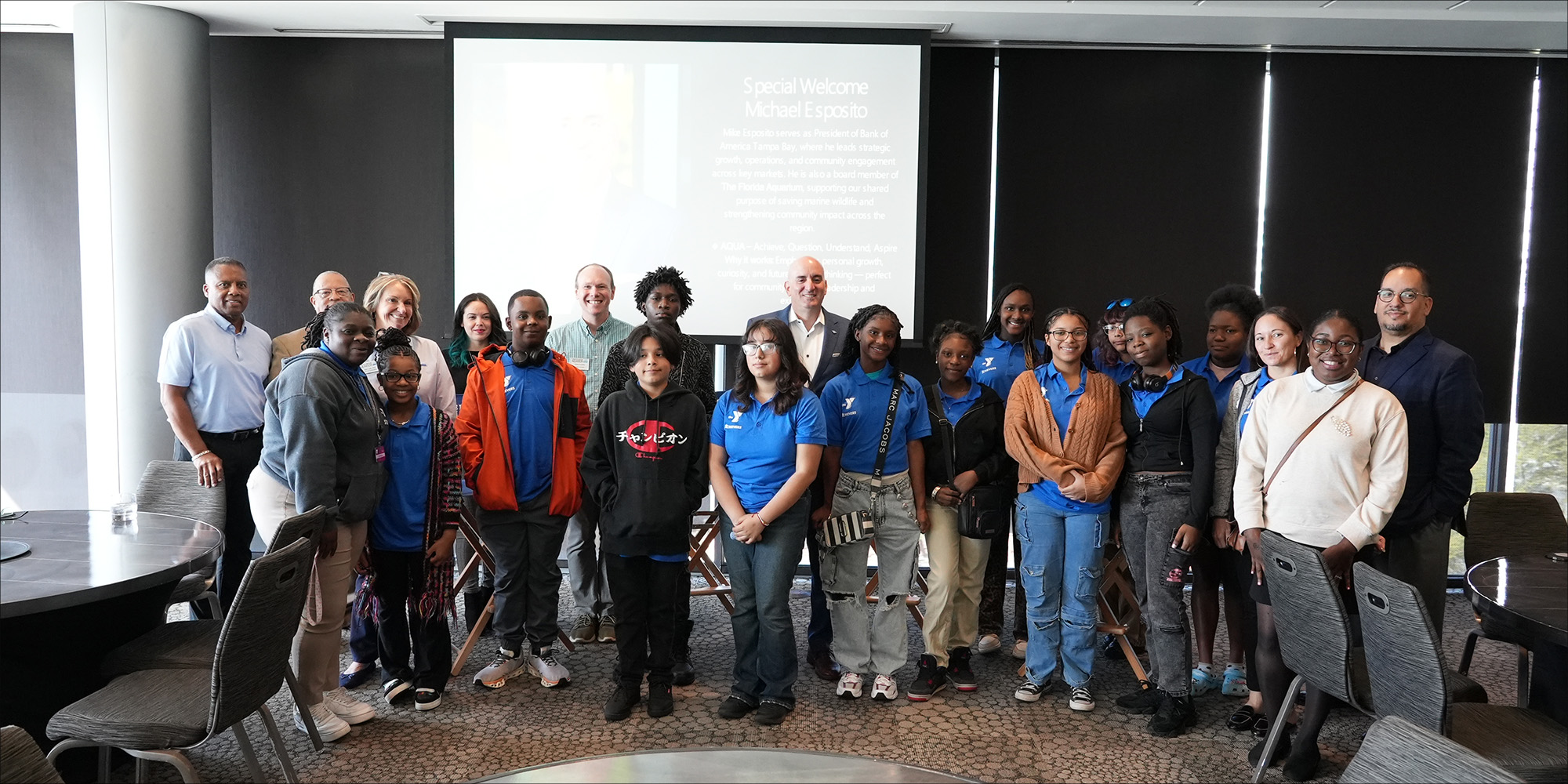
Students from East Tampa and Sulphur Springs Dive into Marine Science at The Florida Aquarium
Three middle and high school students from historically underserved Tampa neighborhoods swapped backpacks for dive helmets at The Florida Aquarium on Thursday. As part of the Teen Achievers AQUA Experience, they explored the Aquarium’s 500,000-gallon Heart of the Sea habitat during the SeaTREK underwater walking adventure, coming face-to-face with rays, a rescued sea turtle, and…
Read More -
March 17, 2026
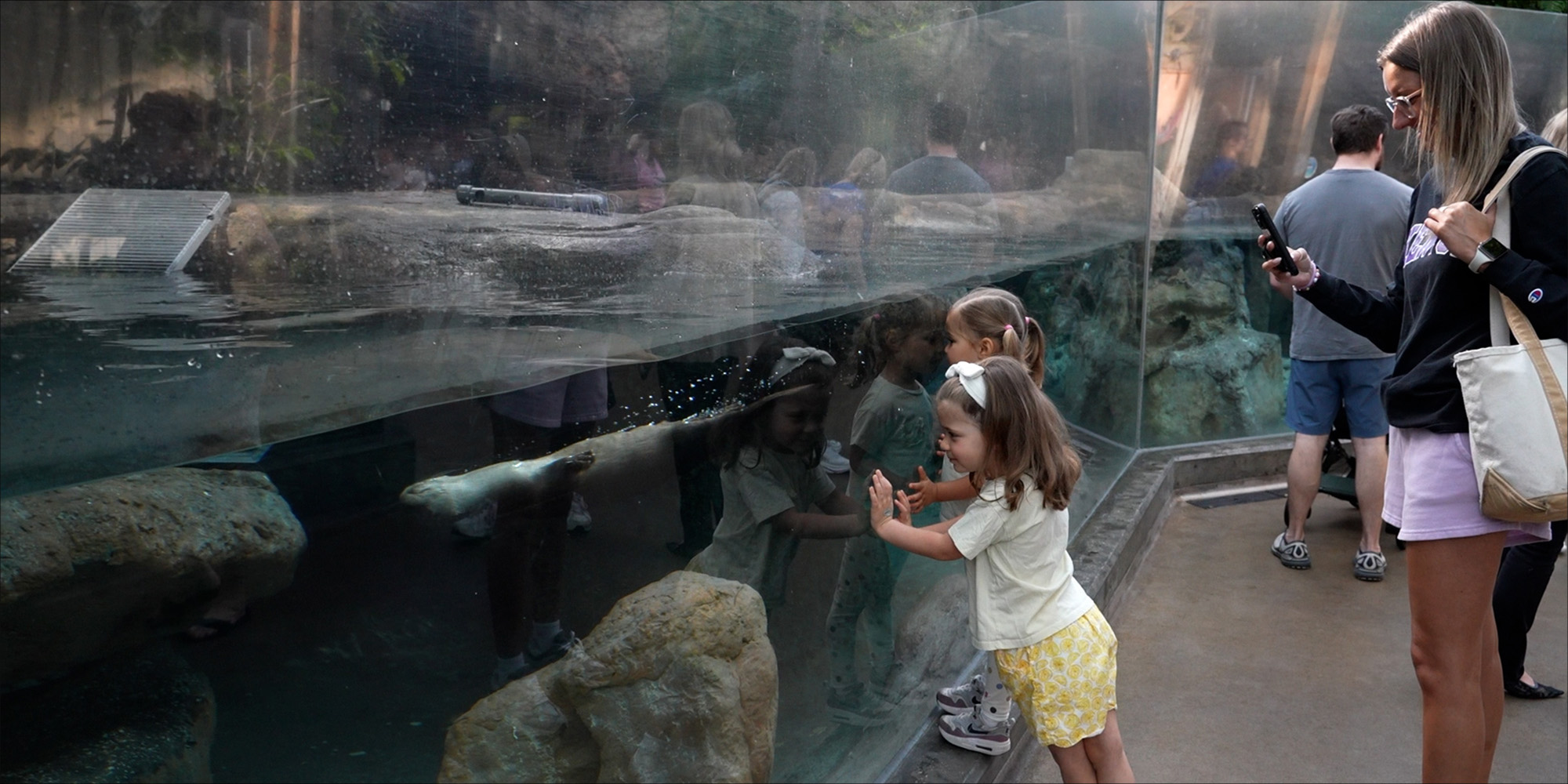
Spring Break ’26 in Full Swing at The Florida Aquarium
Spring Break is officially underway at The Florida Aquarium, where families are spending the week immersed in marine life while enjoying up-close animal experiences, extended hours, and interactive activities. With air-conditioned indoor exhibits, the Aquarium is the perfect place to stay cool, dry, and entertained—no matter what the weather. Located in downtown Tampa in the…
Read More -
February 20, 2026
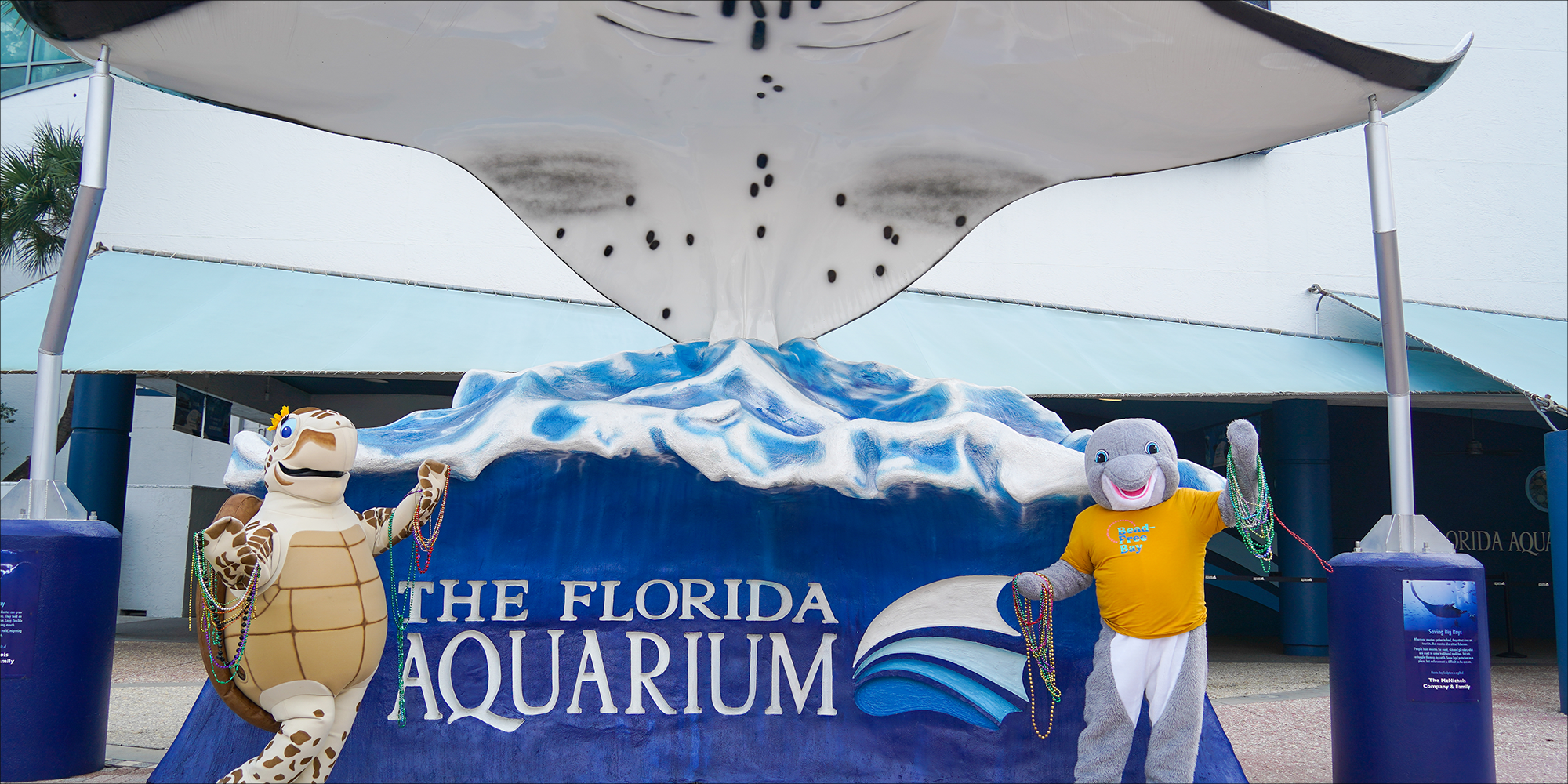
Final Days to Recycle Gasparilla Beads at The Florida Aquarium
The beads have been tossed, the parades have passed, and now there’s one more way to celebrate Gasparilla season with purpose. This is the final weekend to recycle your beads through Bead-Free Bay at The Florida Aquarium. Through February 22, 2026, guests who bring in their unwanted Gasparilla beads can receive 50% off up to…
Read More

Stay Up to Date
Want to know what’s happening below the surface? Sign up to receive our email newsletter, “The Current”, and dive into the latest news, events, and exhibit updates happening here at the Aquarium.