
The Florida Aquarium Joins Statewide Effort to Create the Next Generation of Florida’s Coral Reef
September 4, 2026
Share Story

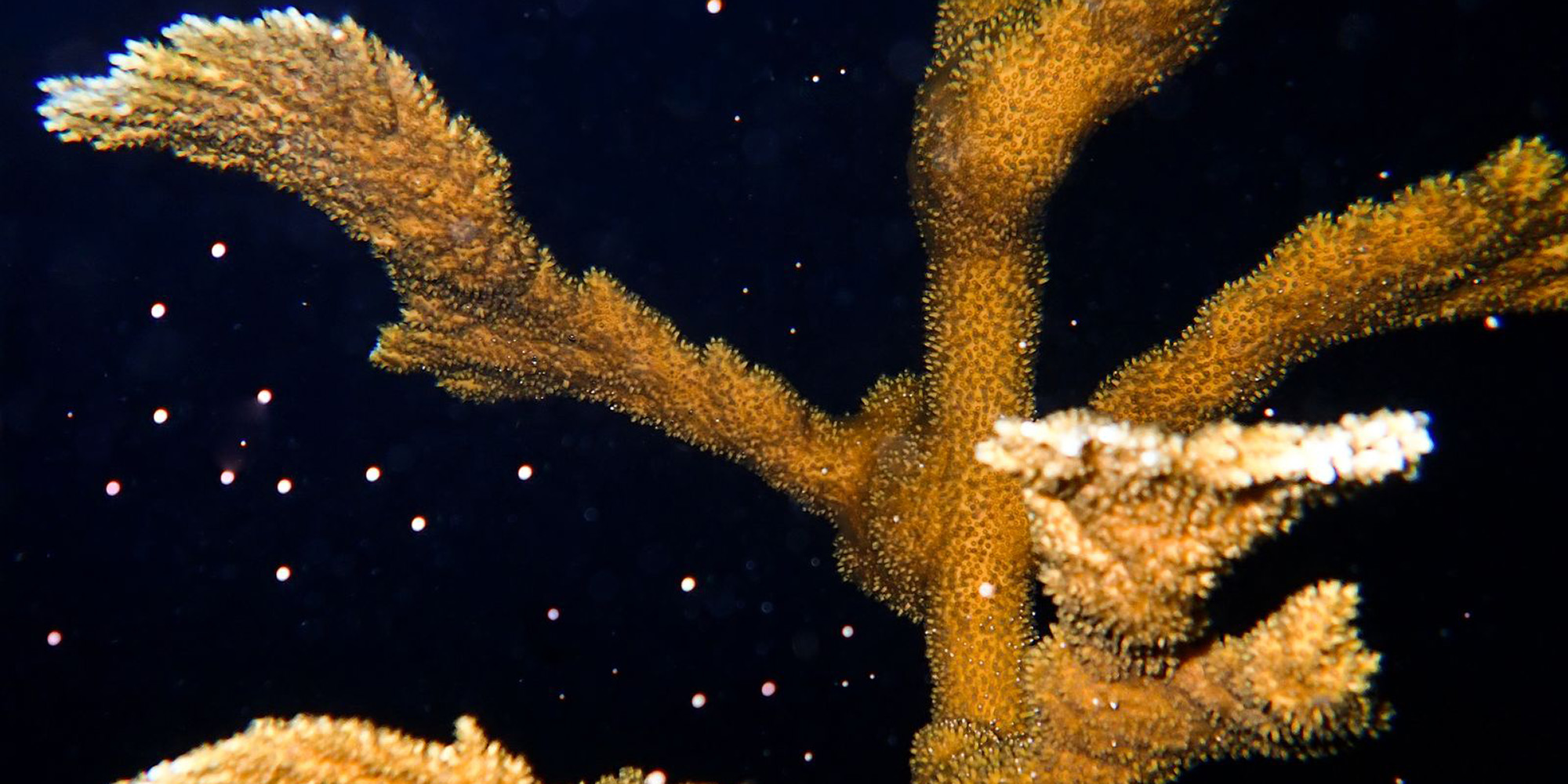
Scientists Produce 61,000 Coral Larvae and 101 Unique Genetic Crosses to Help Build More Resilient Reefs
KEY LARGO, FL – Bringing years of expertise in breeding and raising corals, four coral experts from The Florida Aquarium joined 11 other leading scientific and conservation organizations in what may be one of the largest collaborative coral conservation efforts to ever happen in Florida.
Over 12 nights in the Florida Keys, the teams worked together to collect eggs and sperm from Elkhorn coral colonies grown by Reef Renewal USA and held in their ocean-based coral nursery offshore of Tavernier in the Upper Florida Keys. The team created new genetic crosses and preserved genetic diversity that could be critical to the reef’s future. The effort produced 61,000 elkhorn coral larvae and 101 new genetic crosses, including combinations of parent corals that have never been made before.
Twenty thousand of the resulting larvae will continue growing at The Florida Aquarium’s Coral Conservation and Research Center in Apollo Beach, where scientists will nurture them through the next stages of development. Additional coral larvae were sent to Mote Marine Laboratory and Aquarium, The Reef Institute, and The University of Miami.
“This is what coral conservation looks like—long nights, precise science, and a team of people who are willing to show up when the opportunity comes,” said Keri O’Neil, Director and Senior Scientist of The Florida Aquarium’s Coral Conservation Program. “Collecting elkhorn coral spawn in the ocean is an extremely challenging and demanding task, but our teams were committed to seeing it through.”
***CLICK HERE TO DOWNLOAD BROADCAST-QUALITY VIDEO AND PHOTOS***
Creating Corals That Have Never Existed Before
Some of the parent corals were selected because they survived the devastating 2023 marine heatwave without bleaching and also withstood another hot summer in 2024. Scientists will study whether those resilient traits can be passed on to future generations.
“These are new combinations of genes that have never existed before,” O’Neil said. “Some come from parents that showed incredible resilience during extreme heat, others that were never able to make offspring before on their own. We’re excited about what we can learn from them and what they could ultimately mean for Florida’s Coral Reef.”
Fewer than 25 unique wild Elkhorn coral colonies remain across Florida’s Coral Reef, and the species was recently declared functionally extinct in the wild by researchers, making every opportunity to preserve their genetics increasingly important. Current El Niño conditions are causing elevated water temperatures across Florida’s Coral Reef this summer, and another difficult summer could be ahead next year, with warmer conditions expected to return and potentially put additional stress on already vulnerable coral populations.
The effort builds on The Florida Aquarium’s longstanding coral spawning, breeding, and laboratory research, which has helped produce generations of corals for conservation and restoration. Large elkhorn coral fragments were first brought to The Florida Aquarium in 2020 to begin a laboratory breeding program which has produced thousands of juvenile elkhorn corals to date. Overall, the center has spawned fourteen coral species and provided more than 50,000 young corals for reef restoration efforts in Florida. Coral reefs provide habitat for thousands of marine species, help protect coastlines from storms, support fisheries, and drive tourism and recreation.
The collaboration brought together decades of scientific expertise and coral restoration experience from organizations including the University of Miami, Reef Renewal USA, Mote Marine Laboratory, The Reef Institute, SECORE International, Phillip and Patricia Frost Museum of Science, Nova Southeastern University, Smithsonian Marine Station, Biscayne National Park, and AECOM. The Edward E. Haddock, Jr. Family Foundation helps support the Aquarium’s collaborative, inter-state, and international coral work.
“Collaboration allows us to push the boundaries of what is possible in coral restoration,” O’Neil said. “We came together for a rare opportunity, and what we created has tremendous potential for the future of Florida’s Coral Reef.”
The participating organizations will continue raising the juvenile corals before eventually placing them on Florida’s Coral Reef.
All work was conducted under permits issued from the Office of National Marine Sanctuaries.
The Latest from The Florida Aquarium
-
September 24, 2026
The Florida Aquarium Celebrates Tampa Bay’s Frontline Heroes with Complimentary Admission
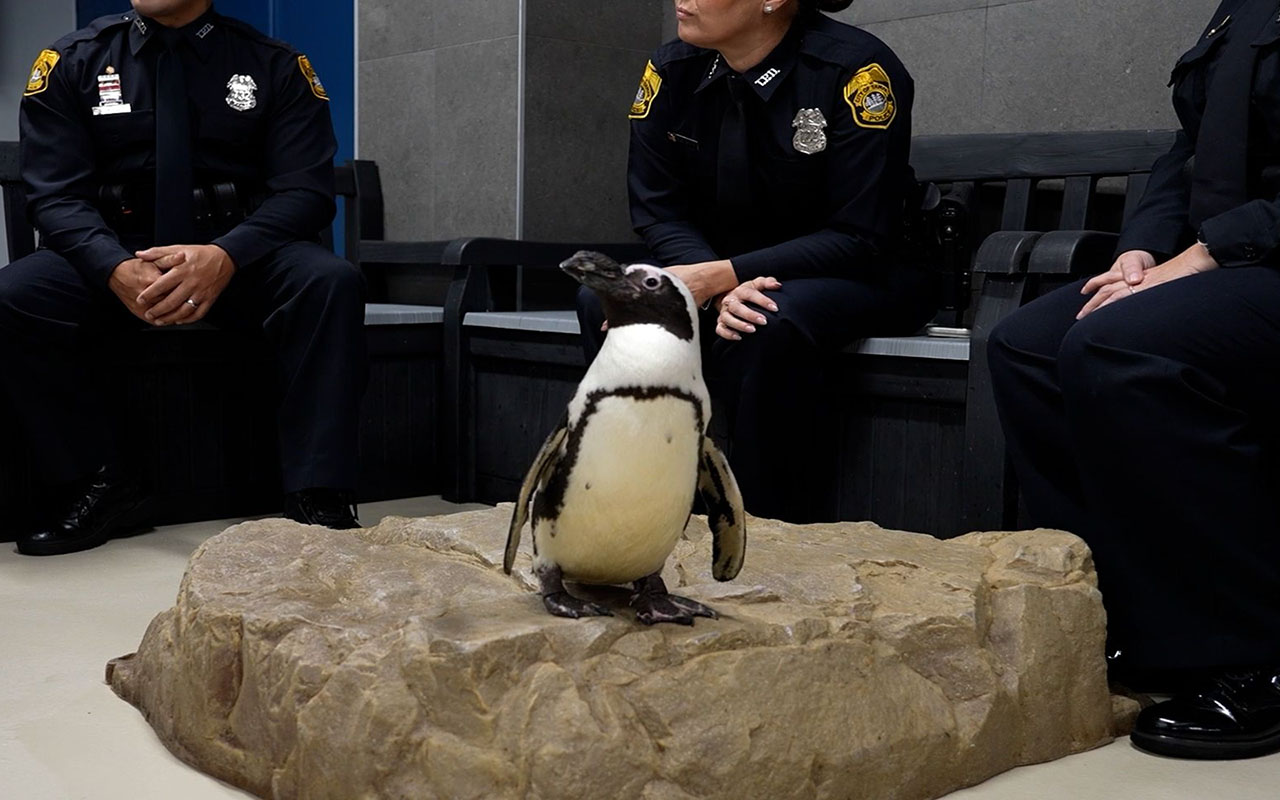
Tampa’s Acting Police Chief and officers get up close with the Aquarium’s penguins Tampa, FL (September 24, 2026) – The Florida Aquarium welcomed Tampa’s Acting Chief of Police Brett Owen and several Tampa Police Department officers Wednesday for a special visit featuring one of the Aquarium’s most popular animal ambassadors: penguins. Officers snapped selfies, learned…
Read More -
August 18, 2026
Bring Your Favorite Plushie to The Florida Aquarium for the “Cutest Check-Up in Town”
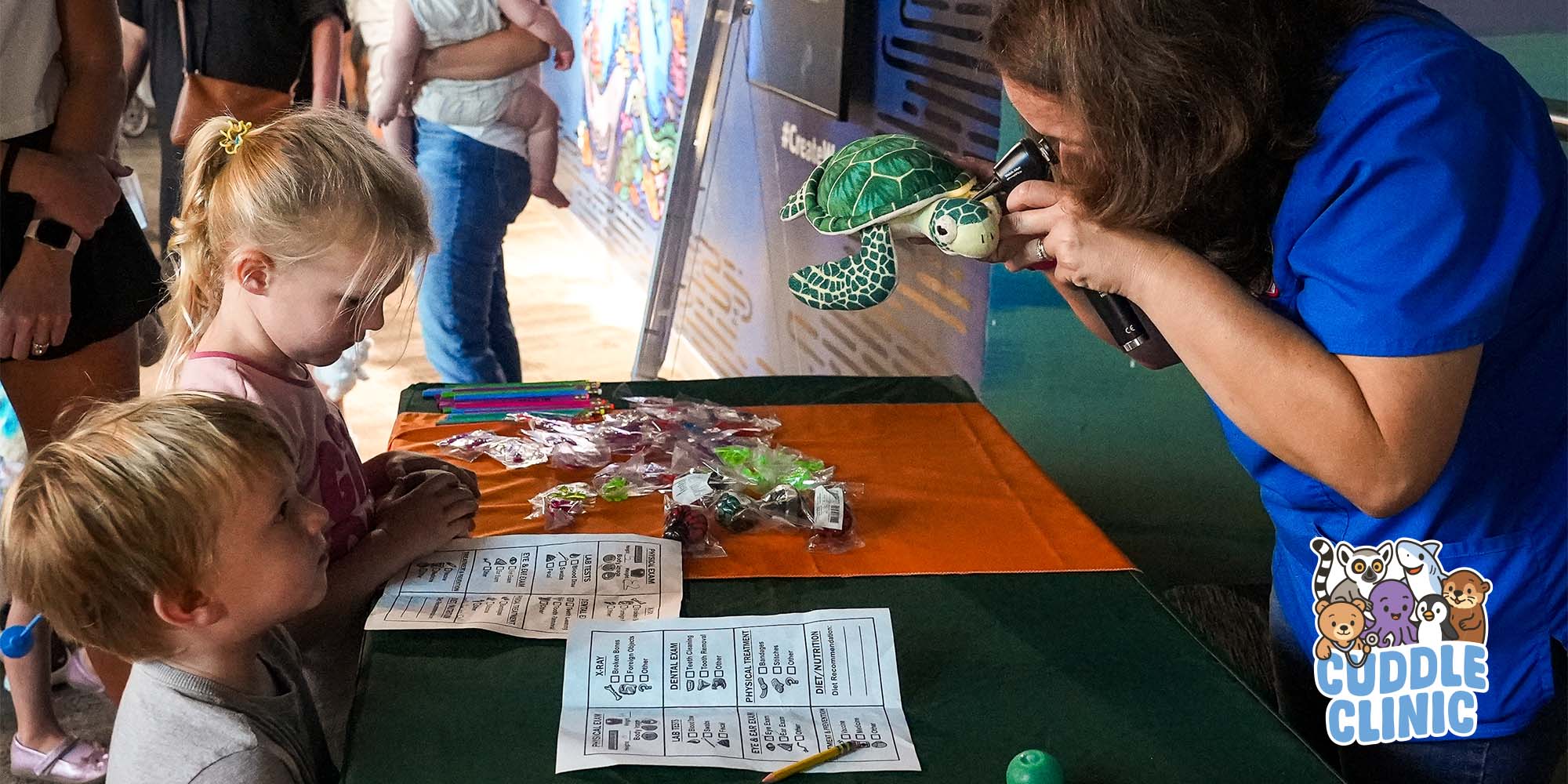
Tampa, FL – Teddy bears, stuffed sharks, and plushies of all shapes and sizes are all invited to The Florida Aquarium for the Cuddle Clinic, a playful, hands-on event that combines imagination with learning. Known as the “Cutest Check-Up in Town”, families can bring their favorite plush toy to the Aquarium for a comprehensive “check-up”…
Read More -
August 13, 2026
The Florida Aquarium Celebrates 813 Day with Animal Enrichment, Special Deals, and Community Conservation Fundraiser
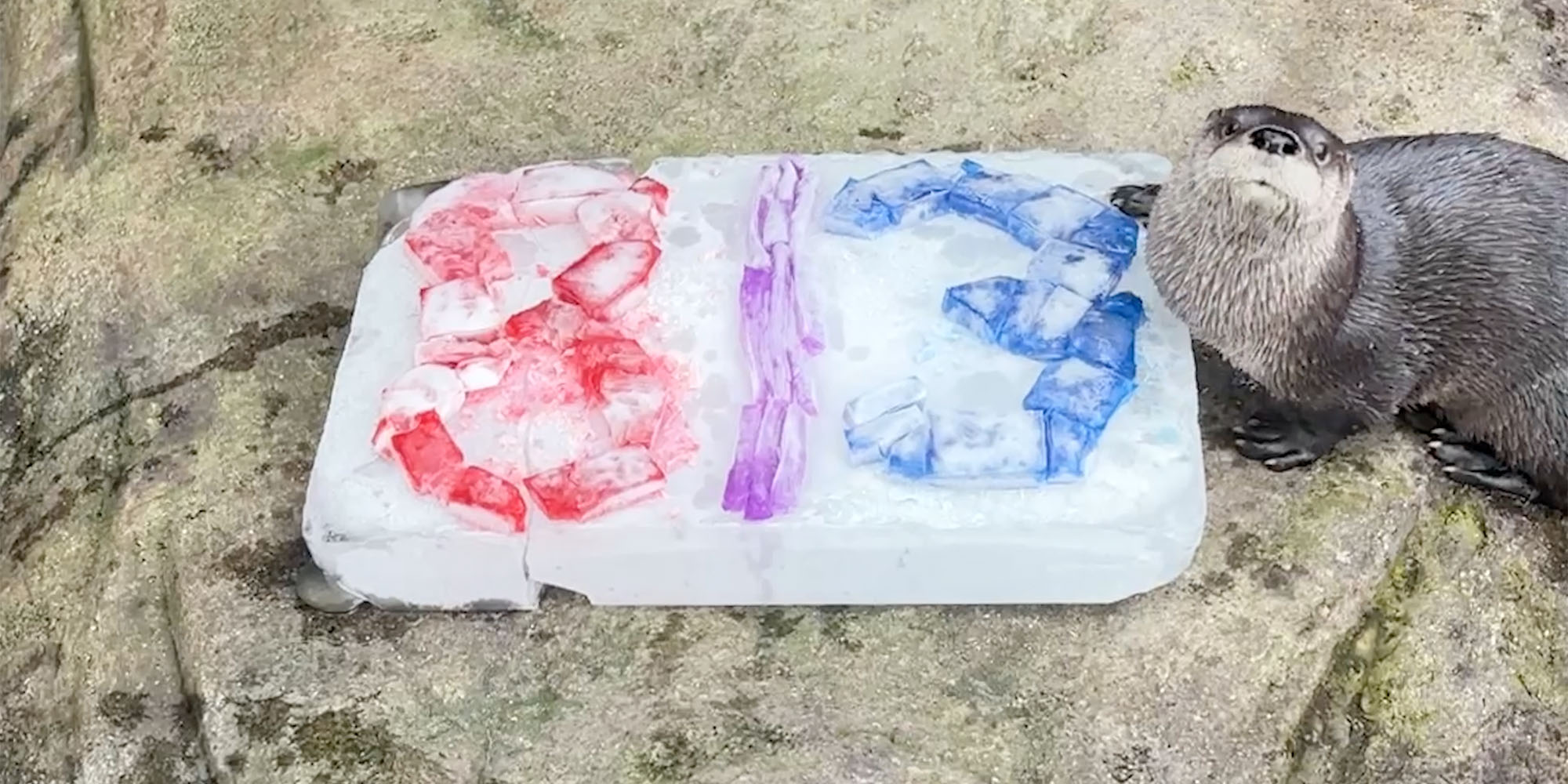
Eight African penguins exploring the Shark Reef. One double yellow-headed parrot soaring. Three playful North American river otters spinning for treats. Together, they’re helping The Florida Aquarium kick off Tampa’s favorite hometown holiday—813 Day—with animal enrichment inspired by the city’s iconic area code
Read More

Stay Up to Date
Want to know what’s happening below the surface? Sign up to receive our email newsletter, “The Current”, and dive into the latest news, events, and exhibit updates happening here at the Aquarium.