
Rescued From Frigid Waters: 18 New Sea Turtles Arrive At The Florida Aquarium
January 28, 2025
Share Story

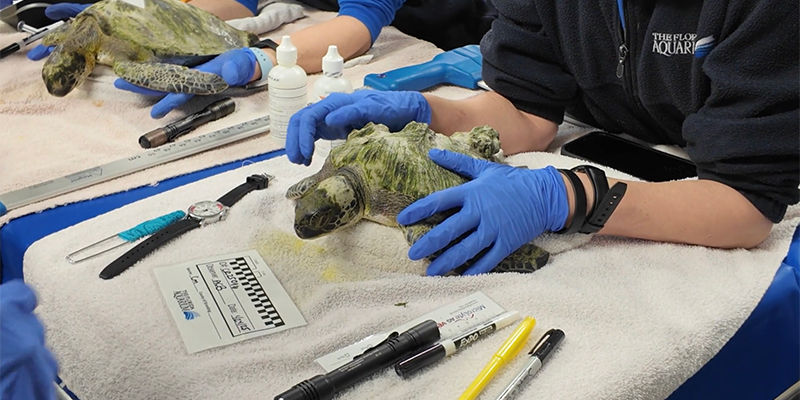
APOLLO BEACH, FL (January 25, 2025) – Facing Atlantic Ocean temperatures plummeting into the 50s, waves of green sea turtles are being rescued from the frigid waters off Florida’s east coast near St. Augustine. This week alone, The Florida Aquarium’s Sea Turtle Rehabilitation Center in Apollo Beach—located on the west coast near Tampa—has taken in six cold-stunned turtles on Thursday and another dozen on Friday.
These new arrivals bring the total to 29 sea turtles currently under critical care at the center. With an anticipated surge in patients expected from this ongoing cold snap, The Florida Aquarium is intensifying its rescue and rehabilitation efforts. To help meet the growing need for resources, the Aquarium is calling on the community for urgent support through donations.
“For more than a decade, we have successfully rescued and rehabilitated critical care sea turtles who would not have survived without our assistance. These patients receive the same level of compassionate care as beloved pets in emergency veterinary clinics but typically require months of treatment before they can be returned to their natural environment. However, the costs quickly add up during crises like this, with treatment for each turtle averaging $15,000,” said Dr. Debborah Luke, The Florida Aquarium’s Senior Vice President of Conservation.
CLICK HERE TO DOWNLOAD BROADCAST-QUALITY VIDEO AND PHOTOS
OF THE SEA TURTLES’ ARRIVAL AND EXAMS + SOUND
Courtesy: The Florida Aquarium
The Life-Threatening Impact of Cold Stunning
Cold stunning, similar to severe frostbite, is a life-threatening condition caused by prolonged exposure to cold water which leaves sea turtles lethargic, unable to swim, and vulnerable to hypothermia, malnutrition, and infections. Initially triaged at The Sea Turtle Hospital at UF Whitney Lab, the 18 green sea turtles arrived at the Aquarium this week extremely debilitated, suffering from dangerously low body temperatures. They join cold-stunned Kemp’s ridley and loggerhead turtles transferred from New England last month.
“This week’s severe cold-stunning event, combined with reduced rehabilitation capacity of other rehabilitation facilities along Florida’s west coast due to recent hurricanes, underscores the urgent need to expand resources to save these endangered animals,” said Dr. Luke. “Our ability to respond during critical times is made possible by the generosity of the community and a portion of ticket sales. Every dollar donated contributes to giving these incredible animals a second chance at life.”
Financial Help is Essential to Saving Sea Turtles
Much like the treatments and care provided for critical care human patients in hospitals, each of the sea turtles receives full medical care, including examinations, x-rays, bloodwork and ongoing treatments and medications throughout their stay at The Florida Aquarium. While sea turtles are categorized as endangered, there are currently no government funding programs available to offset these expenses. To support The Florida Aquarium’s sea turtle conservation efforts, click here.
Expanded Capacity: New Pools Save More Sea Turtles
The Florida Aquarium recently expanded its capacity to save endangered sea turtles with the addition of the Mobile Aquatic Sea turtle Holding (MASH) units. The state-of-the-art portable pools allow animal care and health experts to treat more turtles at once, from the most critical to those that need minimal care.
“In 2024, we handled more than 50 sea turtles, and with the MASH units, we’re poised to help even more in 2025,” said Luke. “The timing of this expansion could not have been better to help increase our ability to handle large-scale rescue events.”
See the Sea Turtles
The public can see the lifesaving work in action at The Florida Aquarium’s Sea Turtle Rehabilitation Center, which is open daily from 10:30 a.m. to 4:30 p.m., November through April and is free to visitors. This 19,000 square-foot facility features four rehabilitation pools, a deep-dive foraging pool and a state-of-the-art veterinary suite—resources that maximize the Aquarium’s ability to respond to rescue efforts.
To note: All sea turtle rehabilitation work conducted by The Florida Aquarium is done with the approval of the Florida Fish and Wildlife Conservation Commission (FWC) under conditions not harmful to marine turtles and authorized under conservation activities pursuant to FWC MTP-25-179.
The Latest from The Florida Aquarium
-
March 24, 2026
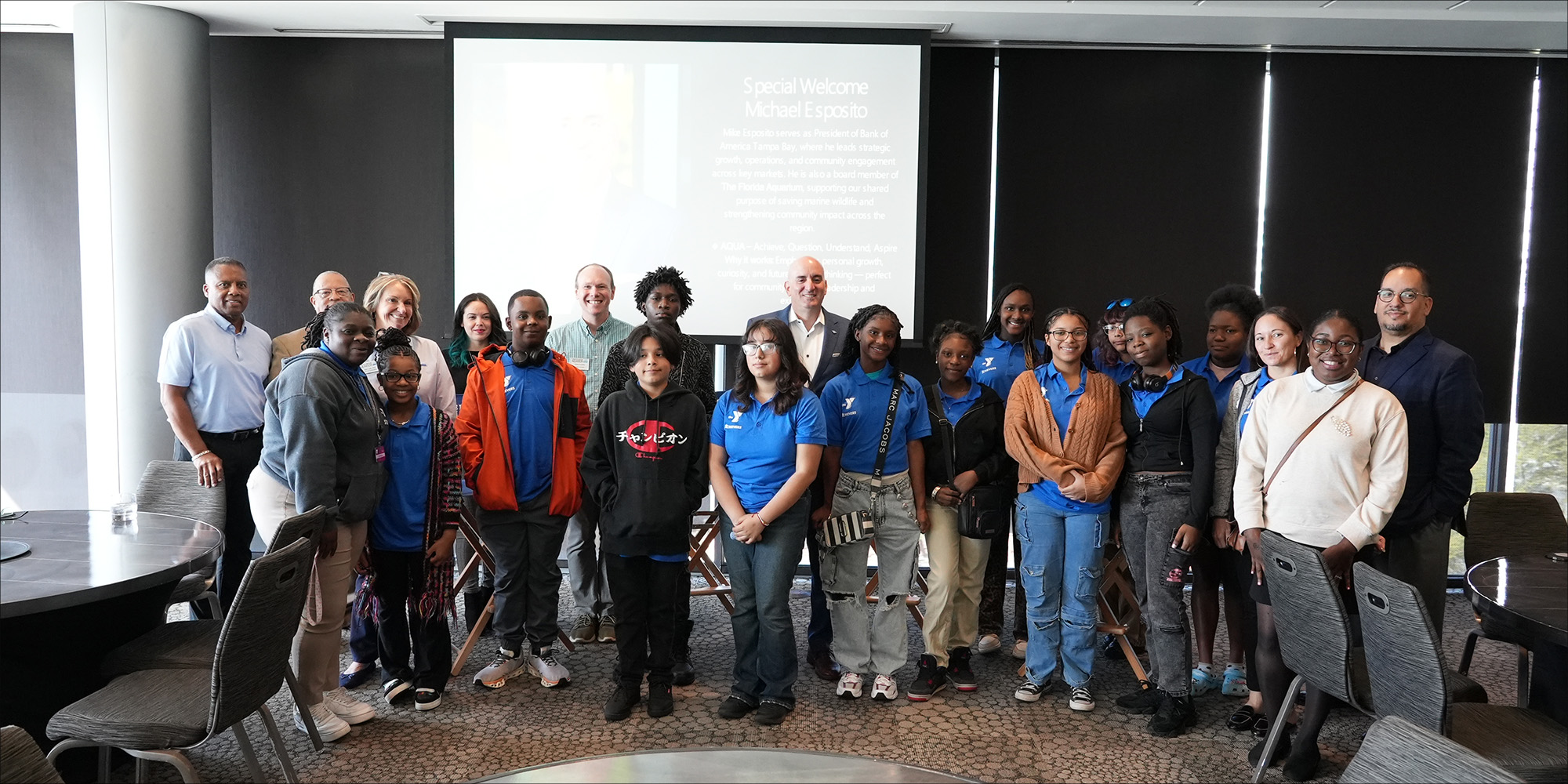
Students from East Tampa and Sulphur Springs Dive into Marine Science at The Florida Aquarium
Three middle and high school students from historically underserved Tampa neighborhoods swapped backpacks for dive helmets at The Florida Aquarium on Thursday. As part of the Teen Achievers AQUA Experience, they explored the Aquarium’s 500,000-gallon Heart of the Sea habitat during the SeaTREK underwater walking adventure, coming face-to-face with rays, a rescued sea turtle, and…
Read More -
March 17, 2026
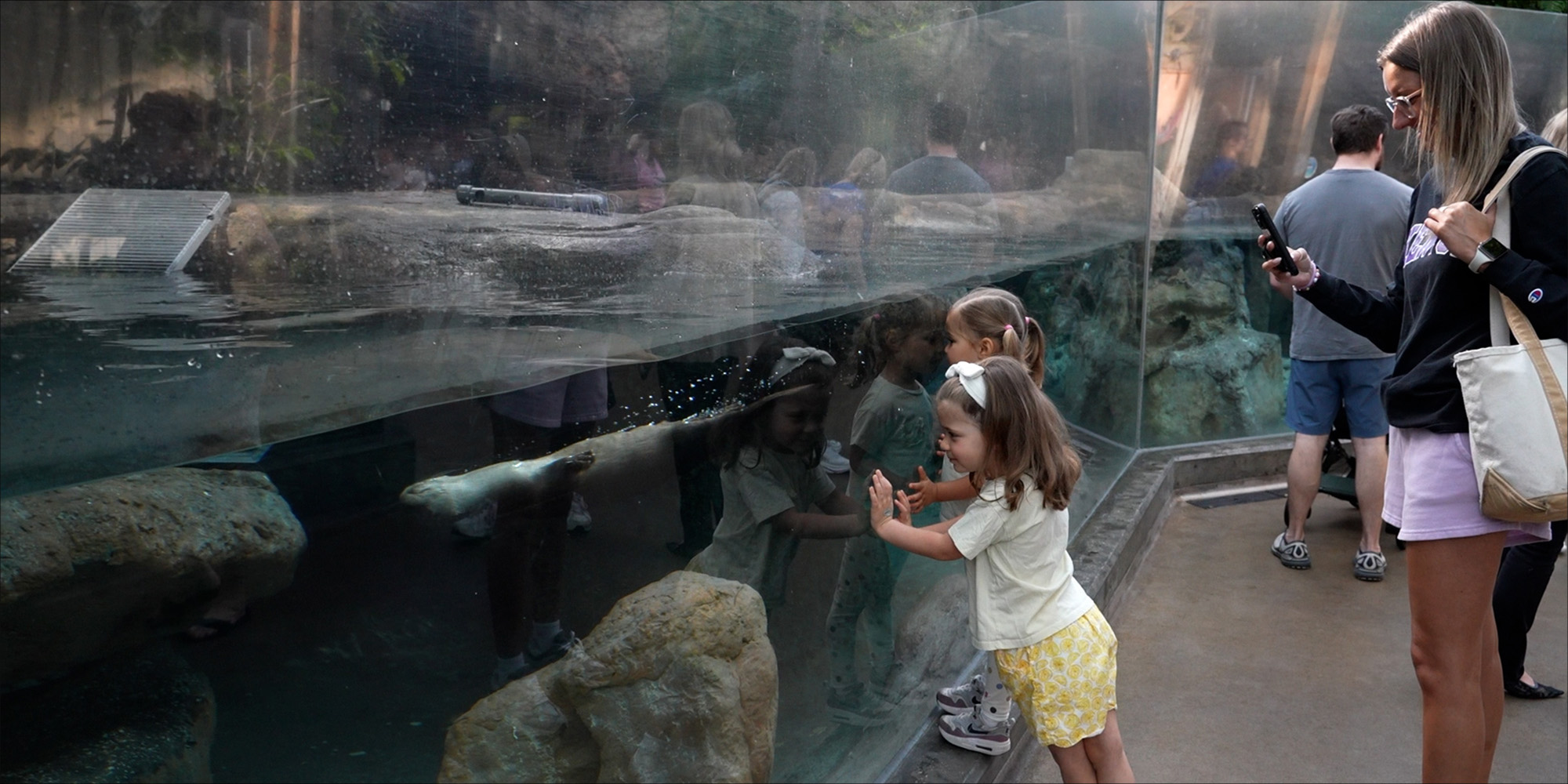
Spring Break ’26 in Full Swing at The Florida Aquarium
Spring Break is officially underway at The Florida Aquarium, where families are spending the week immersed in marine life while enjoying up-close animal experiences, extended hours, and interactive activities. With air-conditioned indoor exhibits, the Aquarium is the perfect place to stay cool, dry, and entertained—no matter what the weather. Located in downtown Tampa in the…
Read More -
February 20, 2026
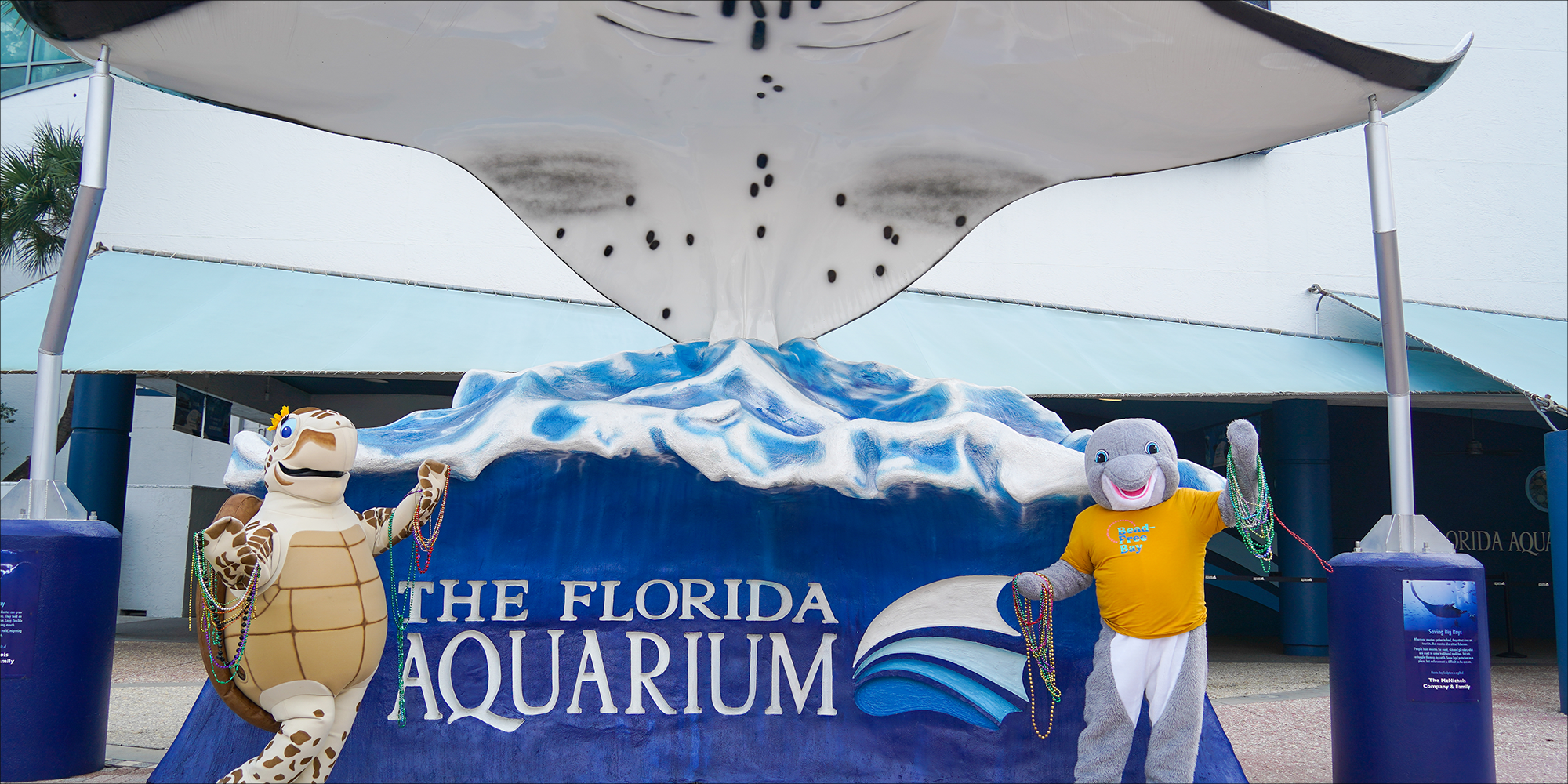
Final Days to Recycle Gasparilla Beads at The Florida Aquarium
The beads have been tossed, the parades have passed, and now there’s one more way to celebrate Gasparilla season with purpose. This is the final weekend to recycle your beads through Bead-Free Bay at The Florida Aquarium. Through February 22, 2026, guests who bring in their unwanted Gasparilla beads can receive 50% off up to…
Read More

Stay Up to Date
Want to know what’s happening below the surface? Sign up to receive our email newsletter, “The Current”, and dive into the latest news, events, and exhibit updates happening here at the Aquarium.