
Corals Raised At The Florida Aquarium Outplanted In Keys
June 7, 2022
Share Story

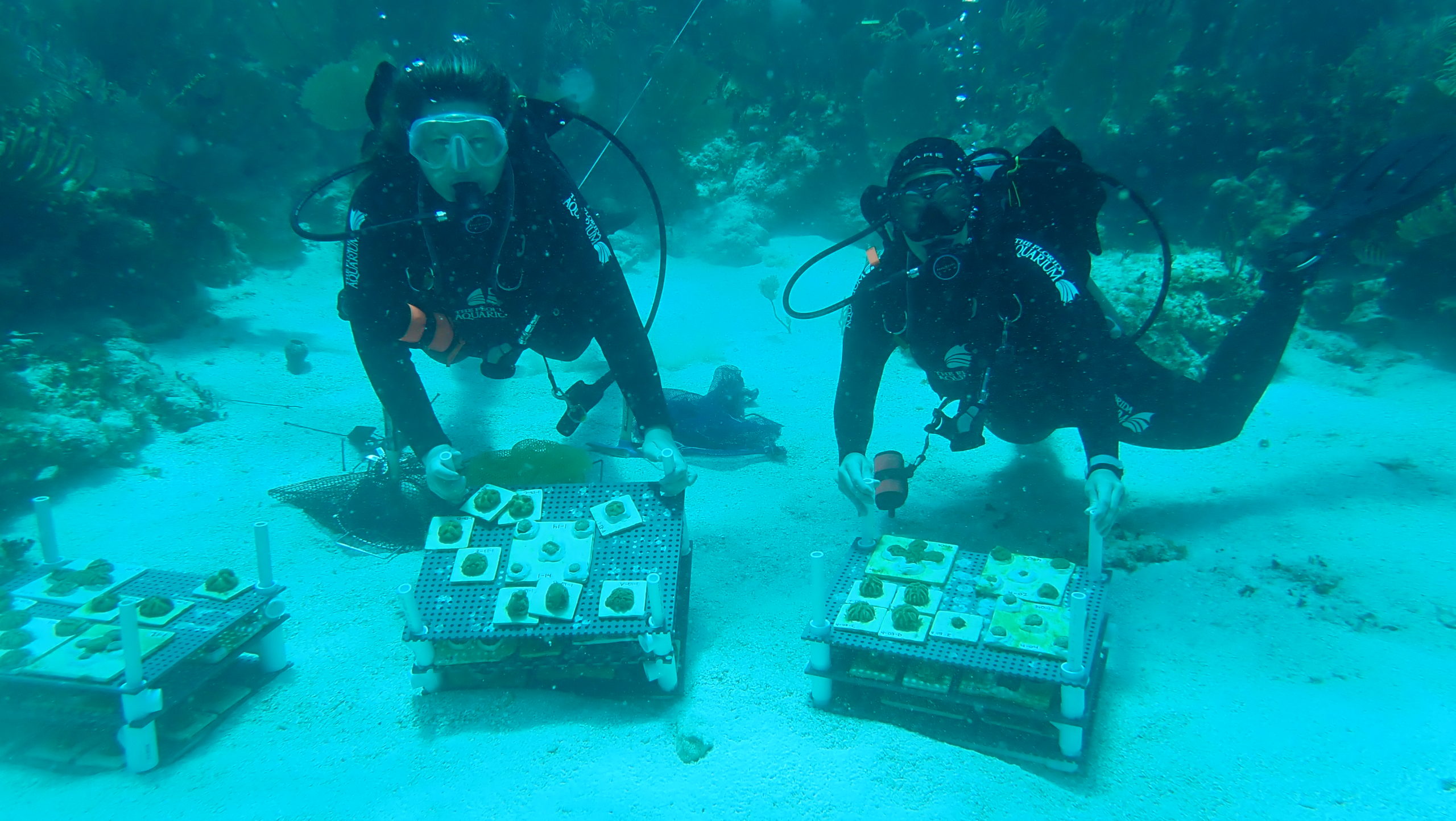
Tampa, FL (June 7, 2022): Recently, The Florida Aquarium relocated 560 corals at an offshore reef site near Long Key, Florida as their team of coral scientists work tirelessly in the race to restore Florida’s Coral Reef. Including four species – boulder brain (Colpophyllia natans), grooved brain (Diploria labyrinthiformis), symmetrical brain (Pseudodiploria strigosa) and spiny flower (Mussa angulosa) – all corals were bred and raised at The Florida Aquarium’s Center for Conservation.
“We spent three days at the site under near perfect conditions,” said Rachel Serafin, senior coral biologist. “With incredible weather and fantastic underwater visibility, we were able to find an ideal site on Tennessee Reef, which we nicknamed “Squid Row” for the reef squid we found there!”
All corals are offspring from parent colonies collected as part of the Association of Zoos and Aquariums Florida Reef Tract Rescue Project, led by the Florida Fish and Wildlife Conservation Commission and NOAA Fisheries. These juvenile corals, between 20 and 24 months old, were raised from larvae produced during Aquarium spawning events conducted at the Center for Conservation in 2020. The corals were held overnight in seawater aquarium systems at the Keys Marine Laboratory before being returned to the reef.
At the outplant site, divers from the Florida Aquarium set up a plot approximately 15m x 7m in size. Using large pins and transect tapes, the team established a grid for outplanting. A total of 208 tiles (measuring three-inch square) were outplanted. Reef Cells cement, a new custom-made blend designed specifically for attaching corals underwater, was used to easily and effectively attach the corals to the reef.
“We completed everything that we needed to get done – outplanting, measurements, pictures – and everything went incredibly smoothly,” added Serafin.
The goal of this outplant is not only to support coral restoration efforts in the Florida Keys National Marine Sanctuary but also to determine whether planting closely related coral offspring grown in a land-based, lab setting in close proximity to one another will be beneficial or harmful to their survival and growth.
Divers installed corals every meter in four (4) treatment levels including individual fragments, established clusters, touching clusters and new spaced clusters.
“The ultimate objective of this study is to maximize and record the amount of total coral cover,” said Brian Reckenbeil, The Florida Aquarium’s coral restoration manager and co-lead for this trip. “Corals will be monitored one day post and two weeks post outplanting and subsequently every six (6) months for two and half years. Coral attributes that may be measured in the field include fate, size, percent of survival, percent of bleaching and reason of new mortality.
“After 24 hours, the corals were stable and had great color,” said Serafin. “It was exciting to see the spiny flower coral returned to the reef for the first time.”
The team of coral biologists is currently reviewing the data gathered during the first monitoring and will be following up this week for a two-week check-up. They will continue to do so over the next few years in order to determine the best methods to incorporate juvenile brain corals into larger restoration efforts such as Mission Iconic Reefs.
Led by Keri O’Neil of Riverview and Brian Reckenbeil of Town ‘n’ Country, coral biologists/divers on the trip included Rachel Serafin of Tampa, Paula Holmes of Dunedin and Jessica Sandelli, also of Tampa. Lead diver safety was Chris Tomlinson of Tampa. The Florida Aquarium’s Tim Stripling of St. Pete was the boat captain.
Activities were conducted under permit in the Florida Keys National Marine Sanctuary.
The Latest from The Florida Aquarium
-
March 24, 2026
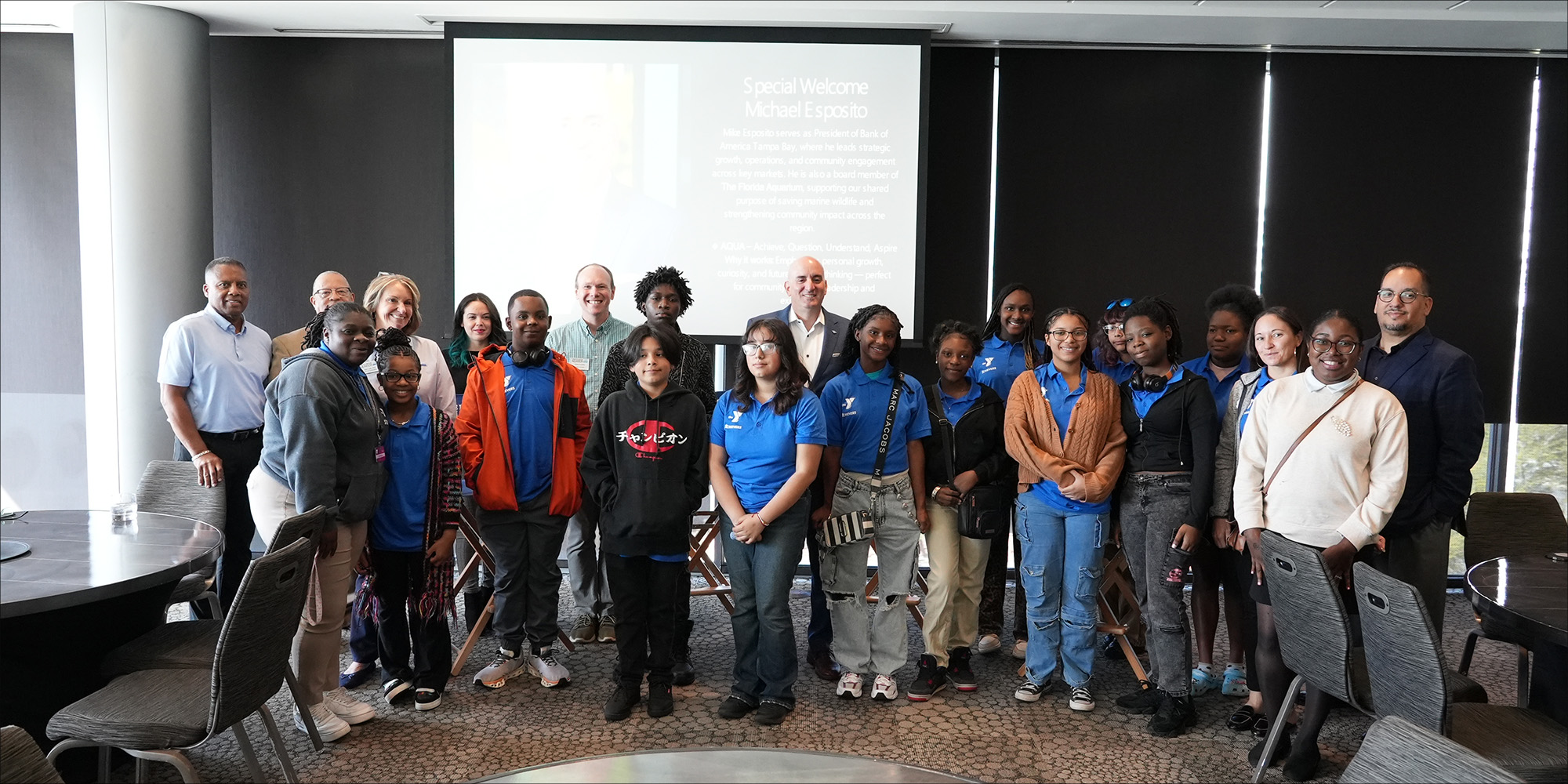
Students from East Tampa and Sulphur Springs Dive into Marine Science at The Florida Aquarium
Three middle and high school students from historically underserved Tampa neighborhoods swapped backpacks for dive helmets at The Florida Aquarium on Thursday. As part of the Teen Achievers AQUA Experience, they explored the Aquarium’s 500,000-gallon Heart of the Sea habitat during the SeaTREK underwater walking adventure, coming face-to-face with rays, a rescued sea turtle, and…
Read More -
March 17, 2026
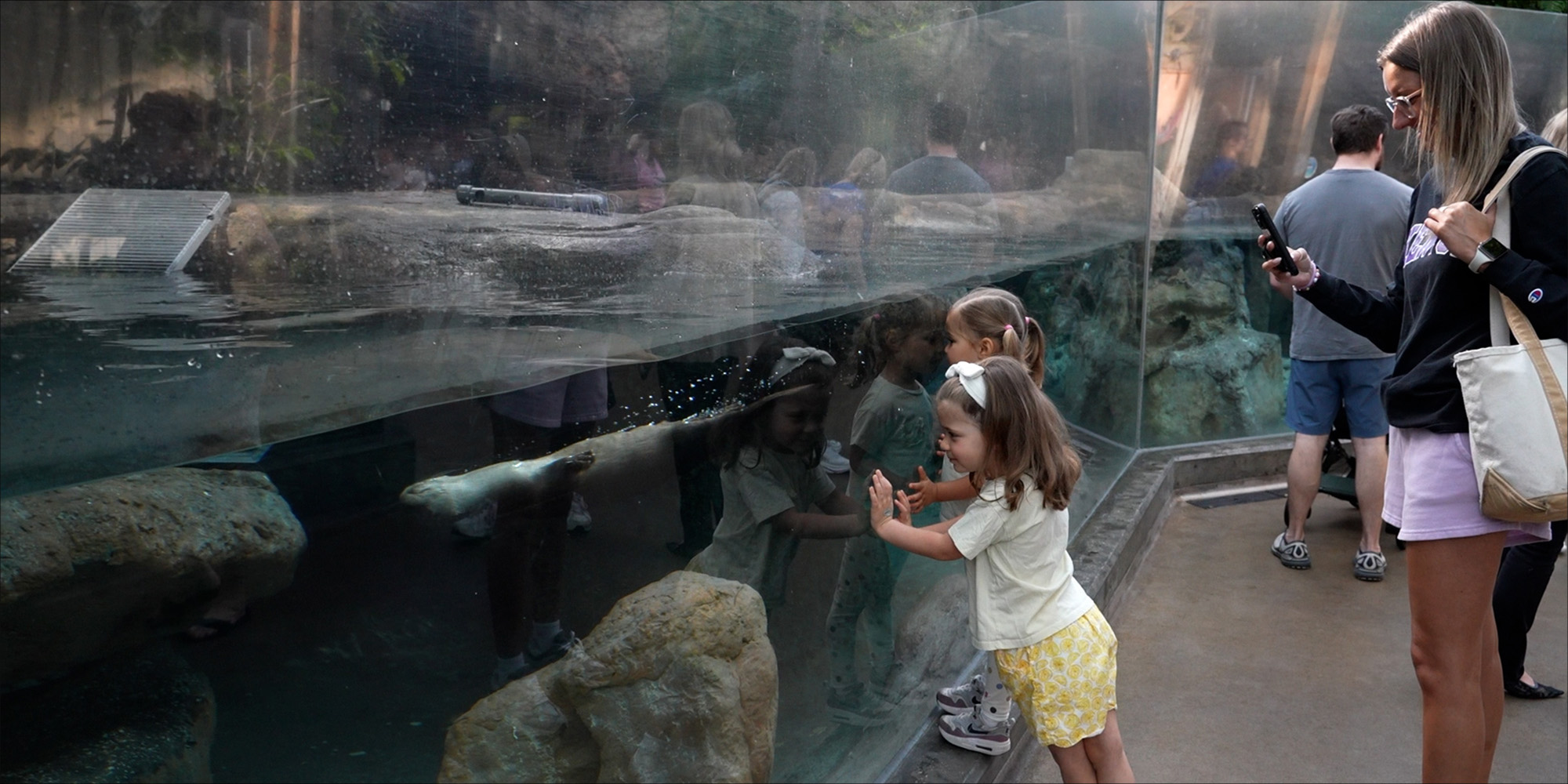
Spring Break ’26 in Full Swing at The Florida Aquarium
Spring Break is officially underway at The Florida Aquarium, where families are spending the week immersed in marine life while enjoying up-close animal experiences, extended hours, and interactive activities. With air-conditioned indoor exhibits, the Aquarium is the perfect place to stay cool, dry, and entertained—no matter what the weather. Located in downtown Tampa in the…
Read More -
February 20, 2026
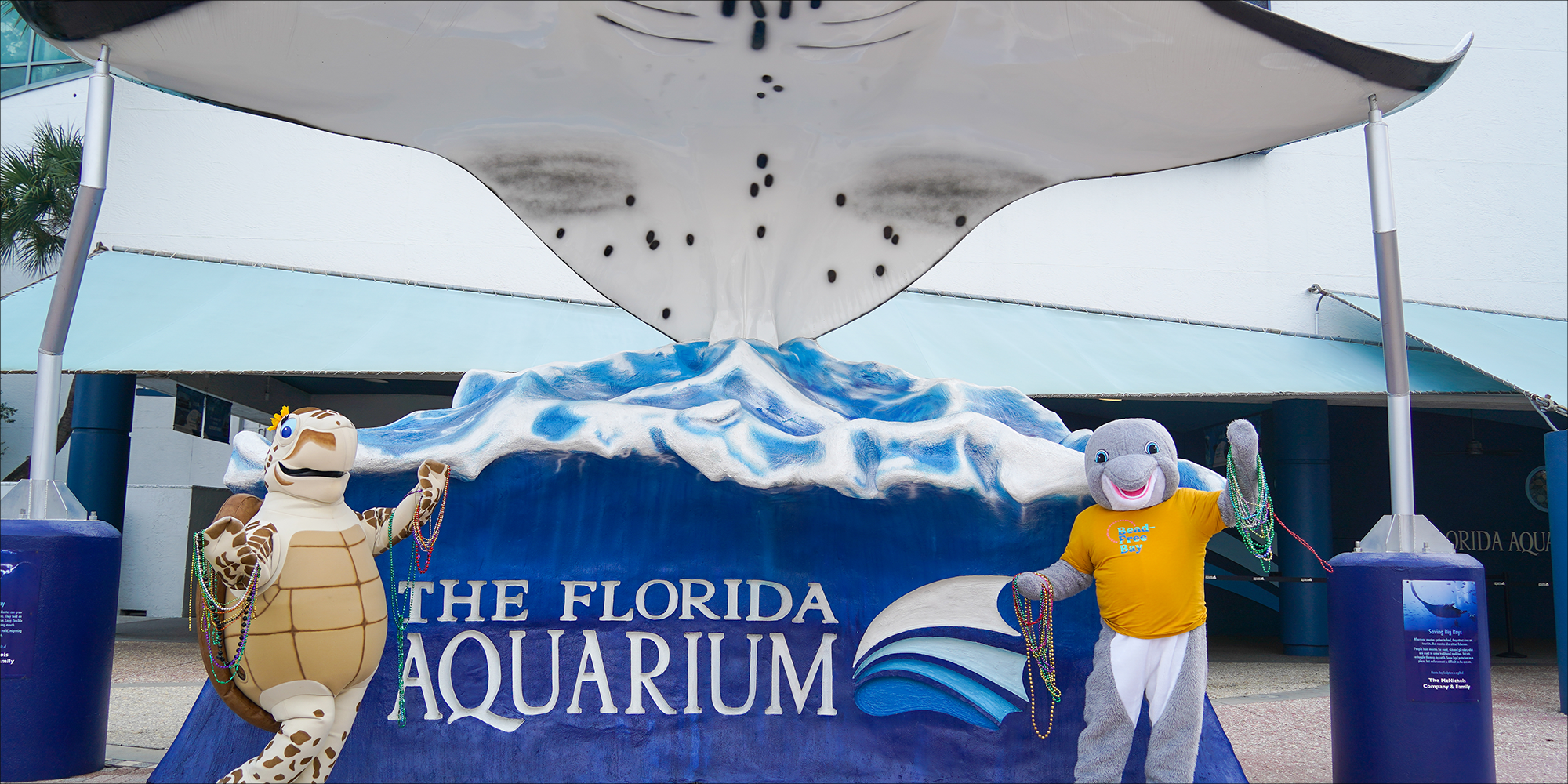
Final Days to Recycle Gasparilla Beads at The Florida Aquarium
The beads have been tossed, the parades have passed, and now there’s one more way to celebrate Gasparilla season with purpose. This is the final weekend to recycle your beads through Bead-Free Bay at The Florida Aquarium. Through February 22, 2026, guests who bring in their unwanted Gasparilla beads can receive 50% off up to…
Read More

Stay Up to Date
Want to know what’s happening below the surface? Sign up to receive our email newsletter, “The Current”, and dive into the latest news, events, and exhibit updates happening here at the Aquarium.